In the modern digital landscape, governments are focusing on simplifying access to public services through unified identity systems. Rajasthan has been at the forefront of this transformation by introducing a centralized login mechanism that connects multiple departments under one secure identity. In 2026, this system has become even more important as more services move online, requiring a reliable and user-friendly authentication method.
At the heart of this ecosystem is the idea of a single digital identity that allows citizens to interact with various government services without creating multiple accounts. Instead of remembering different usernames and passwords, users can access everything through one verified profile. This shift has significantly improved efficiency, reduced confusion, and strengthened digital governance across the state.
When we talk about digital convenience in Rajasthan, one key element that stands out is SSO ID, which acts as the foundation for accessing all integrated services through a single login system.
The Concept Behind Unified Digital Identity in 2026
The idea of unified identity is not just a technical upgrade; it is a governance strategy. Earlier, citizens faced challenges such as duplicate registrations, forgotten credentials, and fragmented access to services. Each department had its own system, making the overall experience complicated and time-consuming.
With a centralized identity model, all services are now interconnected. This means that once a user is verified, their identity becomes valid across multiple platforms. It eliminates repetitive registration processes and ensures that data remains consistent and accurate across departments.
In 2026, this approach is even more relevant because digital services are expanding rapidly. From education and employment to utility payments and welfare schemes, everything is now integrated into a single ecosystem. This reduces administrative burden while improving accessibility for millions of users.
How the System Works in Practice
The working mechanism behind this system is based on secure authentication and centralized data management. When a user registers, they provide basic identity details that are verified through official records. Once verified, a digital profile is created that serves as the gateway to all services.
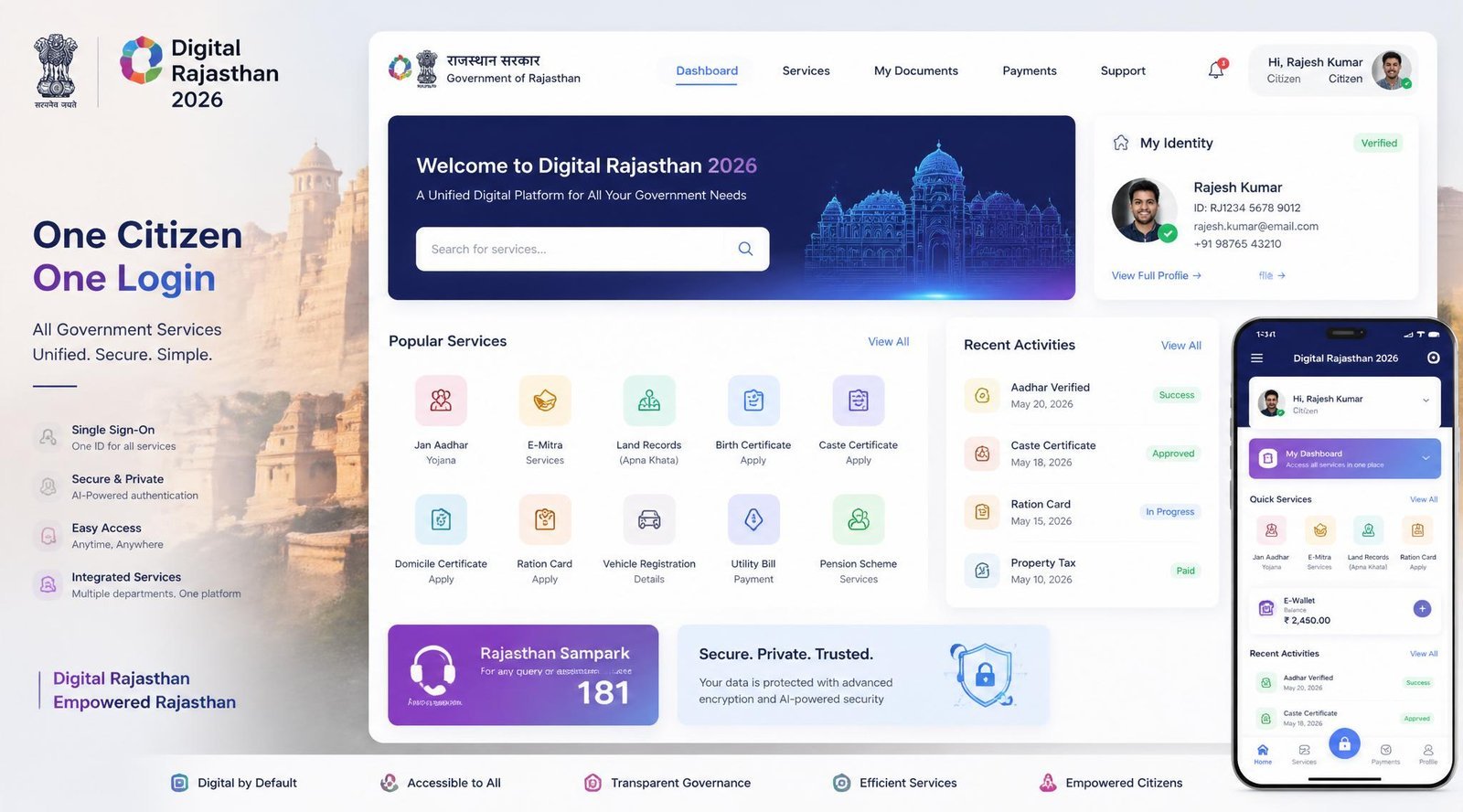
Each login request is processed through a secure authentication layer that ensures only authorized users gain access. After successful login, users are directed to a personalized dashboard where they can explore available services, track applications, and manage their profile.
One of the most important aspects of this system is seamless integration. Instead of separate databases for each department, information is synchronized across platforms. This allows real-time updates and reduces delays in service delivery.
At this stage, SSO ID plays a central role by acting as the single authentication key that connects users to the entire digital infrastructure without requiring multiple logins.
Key Features, Benefits, and Security Framework
The system has been designed with a strong focus on usability, security, and scalability. It offers a wide range of features that make it suitable for both citizens and government employees.
One of the most important features is unified access. Users can access multiple services from a single dashboard, eliminating the need to switch between different portals. This improves efficiency and saves time.
Security is another critical component. The system uses encryption protocols and multi-layer authentication to protect user data. Every login attempt is monitored to prevent unauthorized access and ensure data integrity.
From a usability perspective, the interface is designed to be simple and intuitive. Even users with limited technical knowledge can navigate the system easily. This inclusivity is important in a diverse population where digital literacy levels vary.
Another major advantage is transparency. Users can track the status of their applications in real time, reducing uncertainty and improving trust in public services.
Real-World Applications in Government Services
The practical use of this digital identity system can be seen across a wide range of government services. Citizens use it for applying to government jobs, accessing educational services, managing utility bills, and availing welfare schemes.
For students, it simplifies access to scholarships and academic services. For job seekers, it streamlines application processes. For businesses, it provides easier access to licenses and regulatory services. Each of these functions is integrated into a single platform, making governance more efficient and user-centric.
This level of integration not only improves user experience but also helps government departments operate more effectively. Data sharing between departments reduces duplication and ensures faster decision-making.
In many cases, users no longer need to physically visit government offices, as most tasks can be completed online. This shift has significantly improved accessibility, especially for people in remote areas.
Challenges and Practical User Guidance
Despite its advantages, users sometimes face challenges such as login issues, forgotten credentials, or difficulty navigating services. These issues are often related to user awareness rather than system limitations.
To overcome these challenges, users are encouraged to keep their login details secure, update their profiles regularly, and follow official instructions when accessing services. Awareness plays a key role in ensuring smooth usage of the system.
Another common issue is account recovery, which can be resolved through verification steps designed to ensure security. While these steps may take time, they are necessary to protect user data and prevent unauthorized access.
As digital adoption continues to grow, these challenges are expected to reduce further with improved user education and system enhancements.
Conclusion
The evolution of digital governance in Rajasthan reflects a major shift toward efficiency, transparency, and accessibility. By integrating multiple services into a single platform, the state has created a more streamlined and user-friendly system for citizens.
In 2026, this digital identity framework continues to expand, supporting a growing number of services and users. It represents not just a technological upgrade but a long-term vision for better governance.
Ultimately, SSO ID serves as the backbone of this entire ecosystem, enabling seamless access, improved security, and simplified interaction between citizens and government services.