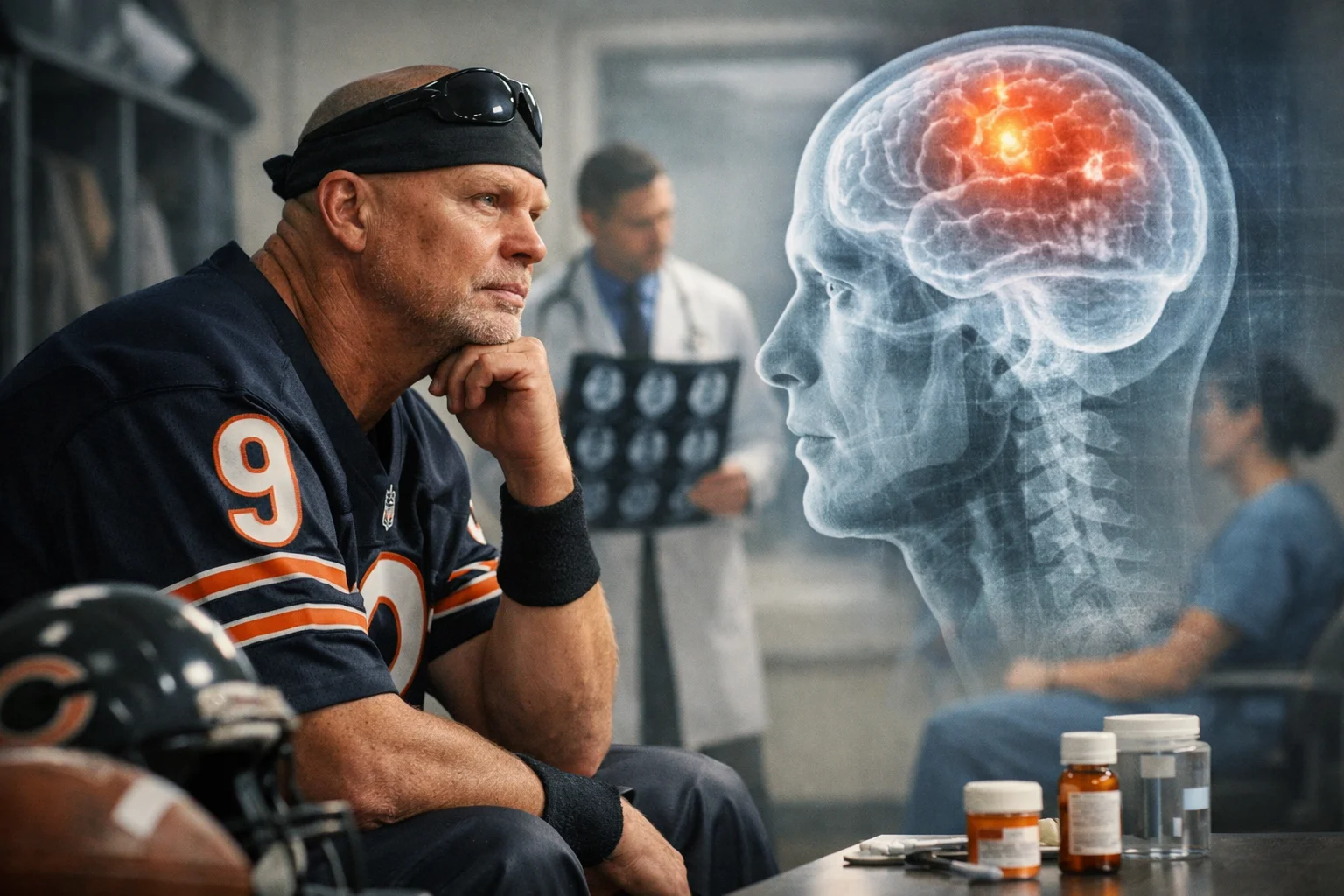
Jim McMahon, the charismatic former NFL quarterback, is as well-known for his on-field prowess as for his post-career health challenges. Throughout his illustrious career, McMahon faced numerous injuries, leading to significant health issues that have persisted long after his retirement. This article delves into Jim McMahon health journey, exploring his medical conditions, treatments, and advocacy efforts. Readers will gain insights into the broader implications of NFL-related health issues, particularly Chronic Traumatic Encephalopathy (CTE), and how McMahon’s experiences have influenced both his life and the sports world.
Early Health Challenges
Jim McMahon’s health issues can be traced back to his NFL career, during which he suffered multiple injuries that have impacted his long-term well-being.
Initial Symptoms and Concerns
- Frequent Concussions: McMahon suffered numerous concussions throughout his career, a common risk for NFL players.
- Chronic Pain: Persistent pain, a result of repeated tackles and injuries, was a constant companion during and after his career.
Early Medical Evaluations
- Head Trauma: Initial assessments during his playing days often underestimated the long-term effects of repeated head trauma.
- Misdiagnosed Injuries: Many of McMahon’s injuries were either undiagnosed or misdiagnosed, delaying appropriate treatment.
See also Pravi Celer: How to Incorporate It Into Your Daily Diet
Diagnoses and Medical Conditions
Jim McMahon’s post-career life has been significantly affected by various diagnoses, with CTE being the most publicized.
Understanding CTE
Chronic Traumatic Encephalopathy (CTE) is a degenerative brain condition linked to repeated head traumas.
- Symptoms: Memory loss, confusion, impaired judgment, and behavioral changes are common symptoms.
- Diagnosis: CTE can only be definitively diagnosed posthumously, complicating treatment during a patient’s life.
Other Diagnosed Conditions
- Dementia: Early-onset dementia symptoms have been reported in McMahon, likely linked to his sports-related brain injuries.
- Neurological Issues: He has also experienced migraines and depression, common among athletes with extensive concussion histories.
Treatment and Management Strategies
Over the years, Jim McMahon has explored various treatments to manage his health issues.
Conventional Treatments
- Medication: Pain management and cognitive therapy have been integral to McMahon’s treatment plan.
- Surgery: He underwent surgery to correct a misaligned spine, which he reported alleviated some of his symptoms.
Alternative Therapies
- CBD Use: McMahon has publicly advocated for the use of CBD, a non-psychoactive compound found in cannabis, to manage pain and inflammation.
- Holistic Approaches: Lifestyle changes, including diet and exercise, have also played a role in managing his symptoms.
Personal Accounts and Experiences
Jim McMahon has been vocal about his health struggles, providing valuable insights into the challenges faced by retired athletes.
Interviews and Personal Statements
- Public Speaking: McMahon frequently shares his experiences at public events, emphasizing the need for better health protocols in sports.
- Media Appearances: In interviews, he candidly discusses his health journey and the impact of CTE on his life.
Impact on Lifestyle
- Daily Life: His health issues have significantly impacted his daily activities, requiring constant management and adaptation.
- Family and Relationships: The toll of his health challenges extends to his personal relationships, highlighting the broader impact of sports-related injuries.
Advocacy and Public Awareness
Jim McMahon’s health journey has transformed him into a passionate advocate for health awareness and policy changes within the NFL.
Involvement in Health Campaigns
- Concussion Awareness: McMahon supports various campaigns aimed at raising awareness about the dangers of concussions in sports.
- NFL Safety Protocols: His experiences have fueled discussions on improving NFL safety measures to protect current and future players.
Raising Awareness on Concussions
- Educational Initiatives: By sharing his story, McMahon educates the public and athletes about the risks of head injuries and the importance of proper treatment.
The Road Ahead
While Jim McMahon’s health challenges are ongoing, there is hope for improved management and advancements in treatment.
Future Health Outlook
- Research and Development: Ongoing research into CTE and sports-related injuries offers hope for better diagnostic tools and treatments.
- Preventive Measures: Emphasis on preventive care and early intervention could improve outcomes for future athletes.
Innovations in Treatment
- Medical Advancements: Innovations in neurology and pain management hold promise for improved quality of life for athletes like McMahon.
Comparison Table: NFL Health Risks Then vs. Now
| Aspect | McMahon’s Era (1980s-1990s) | Current Era (2020s) |
|---|---|---|
| Concussion Protocols | Minimal protocols, often return to play | Strict protocols, mandatory rest and evaluation |
| Medical Evaluations | Limited understanding of long-term risks | Advanced imaging and better diagnostics |
| Player Safety Equipment | Basic helmets and gear | Enhanced safety gear with improved technology |
| Awareness and Education | Limited awareness | High awareness and education initiatives |
| Long-term Health Support | Rarely addressed | Ongoing support and monitoring |
Case Study: Jim McMahon’s Influence on NFL Policies
Jim McMahon’s health struggles have not only highlighted the personal toll of injuries but have also influenced broader NFL policies.
Background
- Career Overview: McMahon played for the Chicago Bears, Green Bay Packers, and other teams, winning multiple accolades.
- Injury History: His career was punctuated by numerous injuries, particularly head traumas.
Influence on NFL
- Concussion Protocols: McMahon’s experiences have been instrumental in the development of stricter concussion protocols.
- Player Health Initiatives: His advocacy has pushed for more comprehensive health monitoring and support for retired players.
Conclusion
Jim McMahon’s health journey is a compelling narrative of resilience and advocacy. His experiences underscore the long-term impact of professional sports on athletes’ health and the critical need for improved safety measures. By sharing his story, McMahon not only sheds light on the challenges faced by retired athletes but also inspires meaningful change within the NFL and beyond.
As we continue to learn from McMahon’s journey, it becomes evident that protecting athletes’ health is paramount. Future advancements and preventive measures will hopefully lead to a safer and more supportive environment for all athletes.
FAQs
1. What health issues does Jim McMahon have? Jim McMahon has been diagnosed with multiple health issues, including symptoms consistent with Chronic Traumatic Encephalopathy (CTE), dementia, and neurological problems stemming from his NFL career.
2. How has CTE affected Jim McMahon’s life? CTE has significantly impacted McMahon’s cognitive function, behavior, and daily activities, leading to memory loss, depression, and other neurological symptoms.
3. What treatments has Jim McMahon undergone? McMahon has explored various treatments, including medication, surgery, CBD for pain management, and lifestyle changes to manage his symptoms.
4. Is Jim McMahon involved in health advocacy? Yes, Jim McMahon is actively involved in health advocacy, particularly in raising awareness about concussion risks and promoting better safety protocols in sports.
5. What future treatments are available for conditions like CTE? While CTE remains challenging to treat, ongoing research focuses on developing better diagnostic tools and treatments to manage symptoms and improve quality of life.