When it comes to printing photos, the debate between digital vs film photo quality continues to spark curiosity among photographers and memory lovers. Both have their strengths — digital images offer convenience and clarity, while film captures timeless tones and depth. But which truly delivers better print quality for your cherished moments? Let’s explore both worlds in detail.
The Rise of Digital Photography
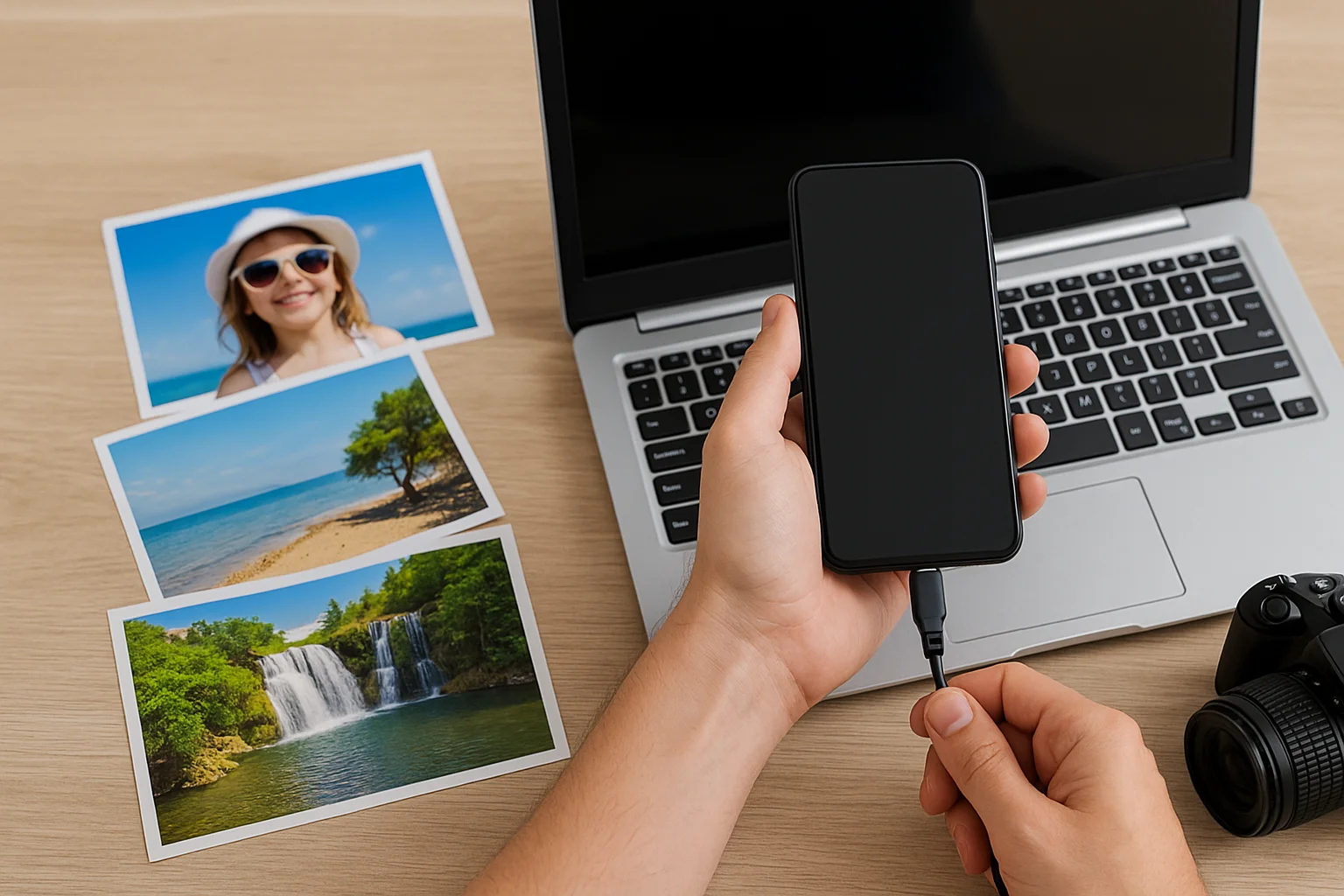
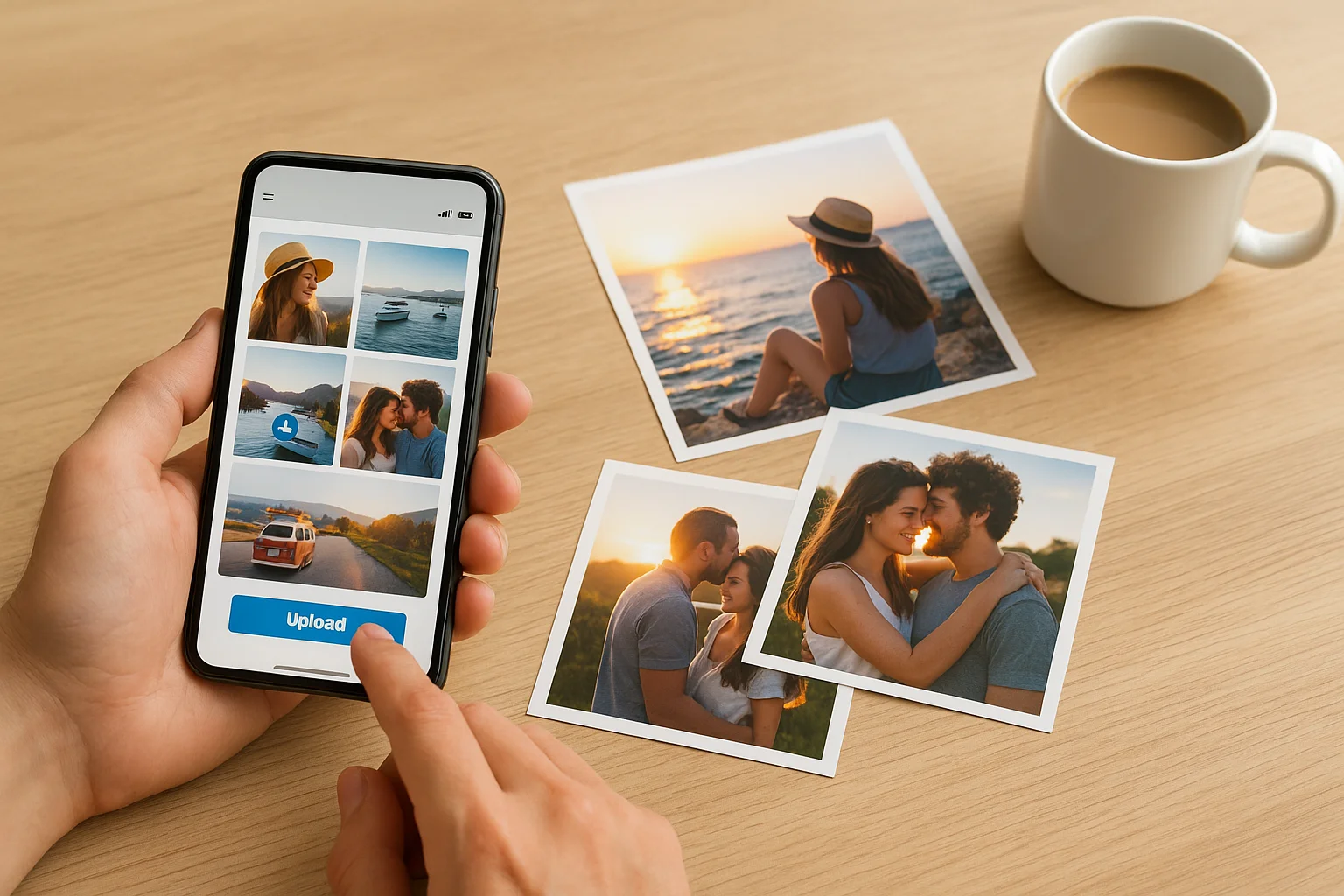
Digital photography changed how we capture, store, and print memories. With just a smartphone or digital camera, you can shoot hundreds of high-resolution images, edit them instantly, and upload them directly to printing platforms like Momentstransfer.com, Rossmann, or DM.
Advantages of Digital Photos
- Instant editing and corrections: You can easily adjust exposure, color, and contrast before printing.
- High resolution: Modern cameras, even on phones, offer incredible clarity for prints up to large poster sizes.
- Convenience: No film rolls or development process — just upload, print, and receive your photos.
- Cloud storage and sharing: Platforms like Momentstransfer make it simple to store and print digital photos anytime.
Digital printing also integrates perfectly with services like Kodak Express, which optimize color profiles for stunning, vibrant prints.
The Charm of Film Photography
While digital dominates the modern world, film photography continues to hold a special place among photography enthusiasts. Film offers a warmth and texture that feels organic — something digital sensors can struggle to replicate.
Advantages of Film Photos
- Natural grain and tones: Film captures light and color differently, resulting in a softer, more artistic feel.
- Dynamic range: Film can handle highlights and shadows gracefully, especially in outdoor or natural lighting.
- Archival quality: Properly stored film negatives can last for decades, making them ideal for long-term memory preservation.
- Unique depth: Film prints often have a subtle, three-dimensional look that gives them life.
Developing and printing film photos through trusted services like DM or Rossmann ensures that their quality and authenticity are preserved.
Comparing Digital vs Film Photo Quality for Prints
Now let’s break down the key aspects that affect the final print quality when comparing digital vs film photo quality.
1. Color Accuracy
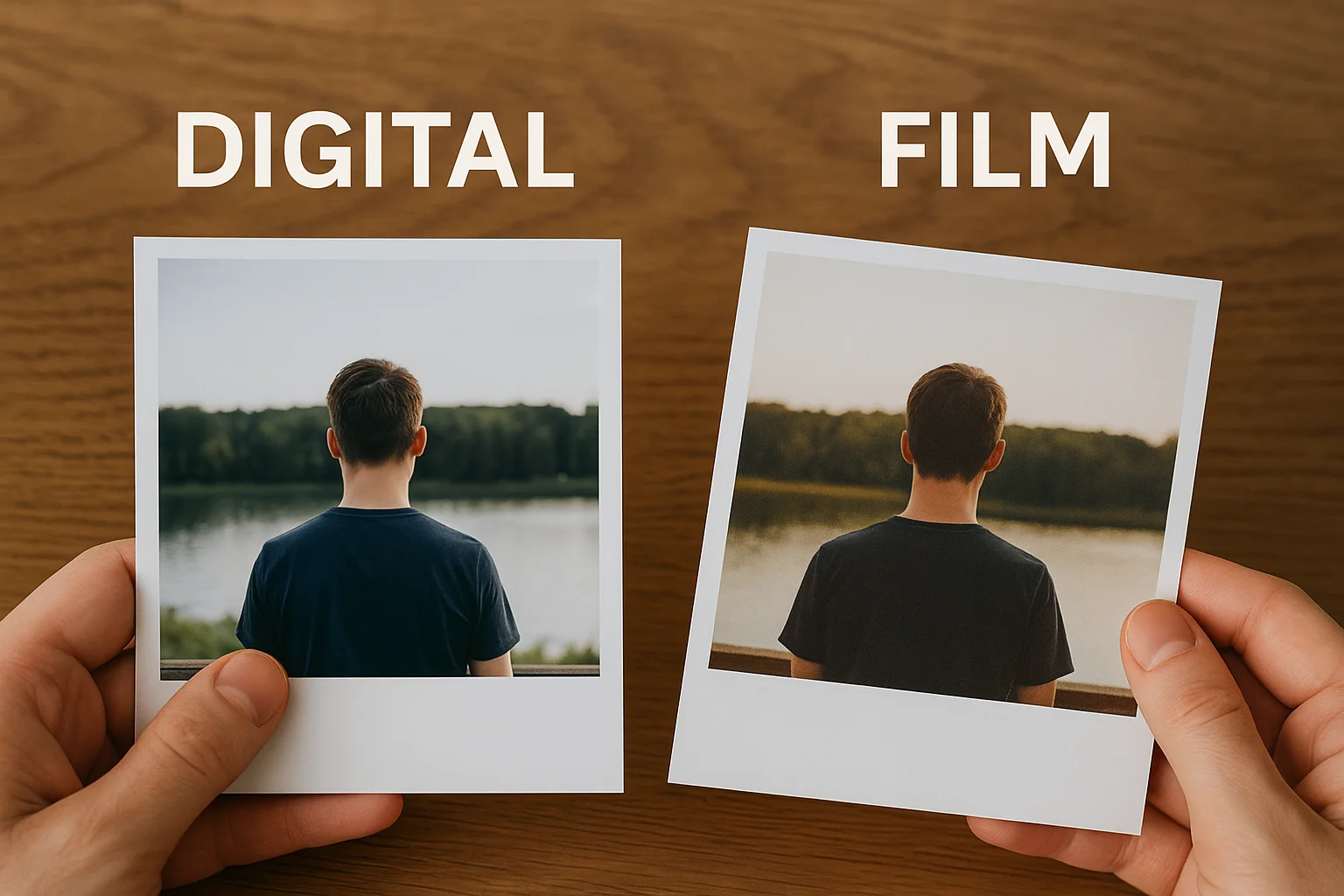
Digital images allow precise color control using editing tools, while film naturally produces deeper and warmer tones. If you prefer perfect skin tones and consistency, digital wins. But if you love cinematic colors with nostalgic depth, film takes the lead.
2. Sharpness and Detail
High-resolution digital photos are usually sharper and cleaner, ideal for large prints. Film, on the other hand, may appear softer due to its natural grain — which some people find artistically appealing.
3. Texture and Grain
Film grain gives a tactile, emotional quality, especially in portraits or vintage-style prints. Digital photos are smoother, offering a cleaner and more modern finish.
4. Editing Flexibility
Digital photos provide unmatched flexibility. You can correct imperfections before printing. Film requires careful development, though its imperfections often add character.
5. Storage and Longevity
Digital images rely on storage devices or cloud platforms like Momentstransfer.com. While convenient, they need backups to avoid data loss. Film negatives, when stored properly, can survive for generations without digital corruption.
Which Is Better for Printing?
Choosing between digital and film depends on your priorities:
- For everyday memories and convenience: Go with digital. You’ll get faster processing, easy sharing, and sharp results when printing online through services like Momentstransfer.com, Rossmann, or Kodak.
- For timeless artistry and emotion: Choose film. Its natural grain and tones make your prints feel nostalgic and truly unique.
If you print photos regularly, a combination of both can work beautifully — use digital for clarity and film for emotion.
Printing Tips for the Best Results
Whether you choose digital or film, a few simple printing habits can make a big difference.
Choose a Reliable Printing Service
Use trusted names like Momentstransfer.com, Rossmann, or DM that specialize in photo printing. These services use professional-grade paper and ink to preserve details.
Check Resolution Before Printing
For digital photos, ensure your image resolution is at least 300 DPI (dots per inch) for sharp prints. For film, ensure negatives are scanned at a high resolution.
Select the Right Paper Type
Glossy paper enhances sharpness and color contrast, while matte paper gives a soft, artistic feel. Test both to see what suits your style.
Keep Your Originals Safe
Back up your digital photos on cloud services and keep your film negatives in dry, cool storage. Protecting originals ensures future prints look just as good as the first.
The Emotional Factor – What Feels More Personal?
There’s an undeniable emotional difference between film and digital prints. Film photos evoke nostalgia — they remind us of moments that took effort to capture. Each shot mattered. Digital photos, however, bring accessibility and creativity. You can capture endless moments, experiment freely, and print instantly through services like Momentstransfer.
Ultimately, both formats tell stories — it’s how you connect with your photos that truly matters.
FAQs
1. Can I print film photos using digital printers?
Yes, you can. Film negatives can be scanned into digital files and printed using online services like Momentstransfer or Kodak Express.
2. Are digital prints long-lasting?
High-quality digital prints on professional paper can last decades if stored away from sunlight and humidity.
3. Do film photos have better color depth than digital?
Film often delivers richer color depth, especially in highlights and shadows. However, modern digital sensors now closely match that performance.
Conclusion
In the end, the digital vs film photo quality debate isn’t about which one is superior — it’s about which better suits your story. Digital photos shine with precision, speed, and convenience, while film captures the soul of a moment with warmth and character.
Whichever path you choose, printing through reliable services like Momentstransfer.com, Rossmann, or DM ensures your memories look their best — today, tomorrow, and for years to come.