For more than a decade, smartphones have dominated modern life. They became our map, camera, communication tool, and entertainment hub. Every year brought small improvements, and people continued upgrading. However, things are now starting to change. The excitement around smartphones is fading, and innovation feels slower than before.
Tech giants envision a future beyond smartphones where technology becomes more natural, intelligent, and integrated into daily life. Companies like Apple, Google, Meta, and Samsung are no longer focusing only on improving smartphones. Instead, they are building entirely new ecosystems that may eventually reduce our dependence on phones.
What Does the Future Beyond Smartphones Mean?
The idea of a future beyond smartphones does not mean phones will disappear completely. Instead, it means that smartphones will no longer be the center of our digital lives. Technology is moving toward a connected ecosystem powered by artificial intelligence, augmented reality, and wearable devices.
In this future, users will interact with multiple devices instead of relying on a single screen. These devices will work together seamlessly, making technology more efficient and less intrusive.
Why Tech Giants Are Moving Beyond Smartphones
One major reason is the slowdown in innovation. Smartphone upgrades today are mostly incremental. New devices offer better cameras or slightly faster performance, but they do not bring major changes. As a result, users are upgrading less frequently.
Another reason is the rise of artificial intelligence. Modern technology is becoming smarter and more capable of understanding user behavior. Instead of manually opening apps and completing tasks, users now expect devices to automate actions and provide solutions instantly.
There is also a growing demand for natural interaction. People prefer using voice commands, gestures, and hands-free experiences instead of constantly tapping on screens. This shift is pushing companies to explore new types of interfaces.
See also Tech News Roundup: Biggest Technology Updates This Week
Key Technologies Replacing Smartphones
Augmented Reality Glasses
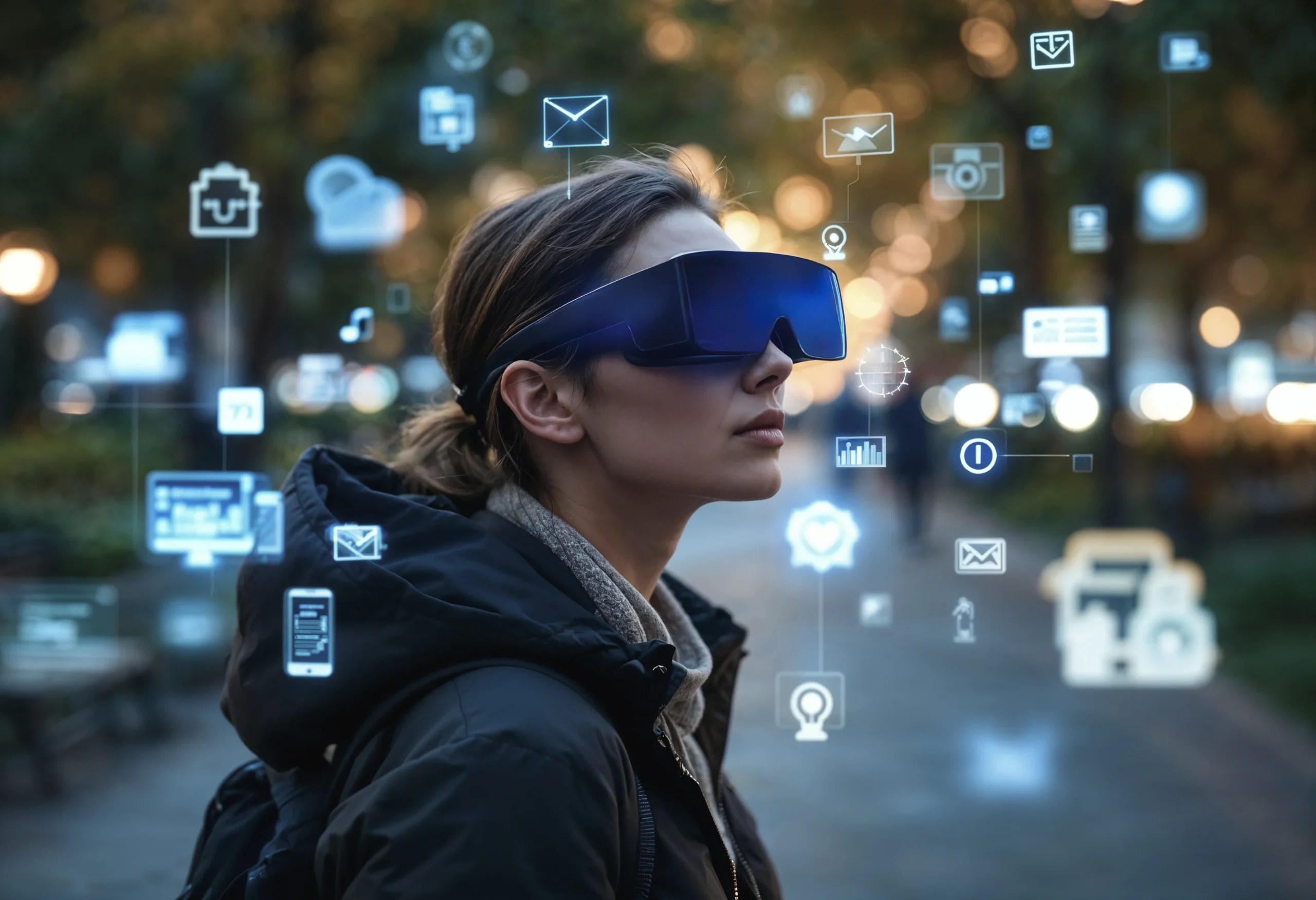
Augmented reality glasses are expected to become the next major platform. These devices can display digital information directly in the user’s field of view. For example, navigation directions can appear in front of your eyes, messages can be read without looking down, and translations can happen in real time.
AR glasses provide a hands-free experience, making them more convenient than smartphones. Instead of holding a device, users will simply wear their interface.
AI Assistants and Ambient Intelligence
Artificial intelligence is playing a central role in this transformation. AI assistants are evolving from simple voice tools into advanced systems that can understand context and perform complex tasks.
In the future, users may not need to open apps at all. AI will handle tasks such as booking appointments, sending messages, or summarizing information automatically. This approach is often called intent-based computing, where the system understands what the user wants without requiring manual input.
Wearable Technology
Wearable devices like smartwatches, smart rings, and AI-powered earbuds are becoming more powerful. These devices provide real-time data and allow quick access to important information.
Wearables are also reducing screen time by enabling users to complete tasks without using a smartphone. Over time, they may take over many functions currently handled by phones.
Spatial Computing and Mixed Reality
Spatial computing combines digital content with the physical world. It allows users to interact with virtual screens, 3D environments, and digital objects using gestures, voice, and eye movements.
This technology can transform how people work and communicate. For example, users can create virtual workspaces with multiple screens or attend meetings in immersive environments.
Foldable and Rollable Displays
Foldable devices are a transitional step between smartphones and future technologies. They offer larger screens and new ways to interact with content. While they may not replace smartphones completely, they help companies experiment with new designs and user experiences.
Neural Interfaces
Neural interfaces represent a more advanced and long-term vision. These technologies aim to allow users to control devices using brain signals. Although still in early stages, they show the potential for direct interaction between humans and technology.
What Major Tech Companies Are Doing
Different companies are focusing on different aspects of the post-smartphone future.
Apple is investing in spatial computing and augmented reality. Its long-term goal is to create devices that replace traditional screens.
Google is focusing on artificial intelligence and ambient computing. It aims to make technology available everywhere without being tied to a single device.
Meta is heavily investing in AR glasses and virtual environments. The company believes that glasses will become the primary way people interact with digital content.
Samsung is building a connected ecosystem of devices, including wearables and smart home technologies, to create a seamless user experience.
Consumer Behavior Is Driving the Change
User behavior is also accelerating this shift. Many people are tired of spending too much time on screens. They are looking for simpler and more natural ways to interact with technology.
There is also a growing demand for seamless connectivity. Users want their devices to work together without complicated setup processes. Additionally, younger generations are more comfortable with immersive technologies such as gaming and augmented reality.
How Life Will Look Without Smartphones
In a post-smartphone world, daily life will become more efficient and less dependent on screens.
Communication will become more natural, with users relying on voice and wearable devices. Workspaces will no longer require physical screens, as virtual displays can be created anywhere. Navigation will become more intuitive, with real-time guidance displayed directly in the user’s view.
Entertainment will also change, becoming more immersive and interactive. Shopping experiences will become more personalized, with real-time recommendations and virtual try-ons.
Challenges of a Post-Smartphone Future
Despite the progress, several challenges remain. Privacy is a major concern, especially with devices that constantly collect data. The cost of new technologies is also high, which may slow adoption.
Battery life and hardware limitations are additional challenges. Social acceptance is another factor, as people may take time to adjust to wearing devices like AR glasses.
Timeline for the Transition
The transition away from smartphones will not happen overnight. Between 2025 and 2030, early adoption of AR and AI devices is expected. From 2030 to 2035, these technologies may become mainstream. By 2040, smartphones could become secondary devices rather than the primary interface.
Conclusion
Tech giants envision a future beyond smartphones by building a new ecosystem of devices powered by artificial intelligence, augmented reality, and wearable technology. This shift will change how people interact with digital systems, making technology more natural and less dependent on screens.
Smartphones will not disappear completely, but their role will continue to decline as new technologies take over. The future of computing is moving toward a more connected, intelligent, and immersive experience.