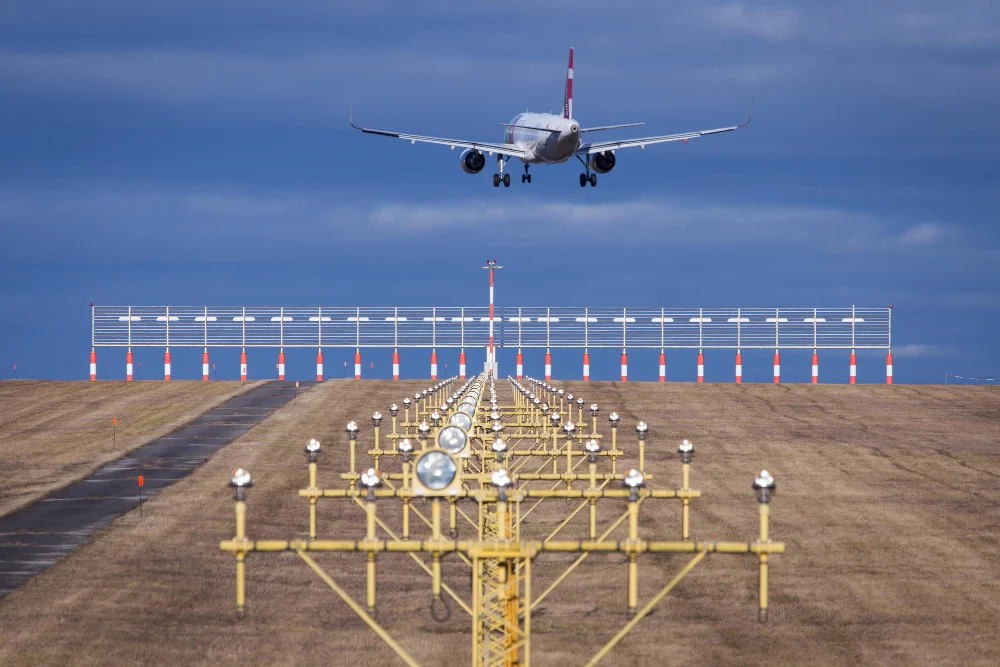
On a routine day in late 2025, a regional Delta Connection flight — DL3543 — became the center of a harrowing aviation incident that had passengers praying, experts analyzing, and the airline industry taking notes. What began as a simple domestic journey turned into a tense emergency landing that tested the flight crew’s training and the aircraft’s resilience.
In this 2026 updated and detailed report, we dive into everything that unfolded — from what caused the emergency to how it was handled and what this means for aviation safety moving forward. Whether you’re a frequent flyer or someone interested in aviation incidents, you’ll find all the facts and updates here.
What Is Delta Connection Flight DL3543?
Delta Connection DL3543 is a regularly scheduled U.S. domestic regional flight operated by SkyWest Airlines, a partner of Delta Air Lines. These smaller jets are typically used to connect mid-sized and smaller cities to Delta’s major airport hubs.
Flight Specs:
- Aircraft Model: Bombardier CRJ-700 (occasionally CRJ-900)
- Passenger Capacity: Approximately 70–76 seats
- Flight Duration: Usually under 2 hours
- Crew Members: 2 pilots and 2 flight attendants
Delta Connection flights like DL3543 serve an essential role in Delta’s overall network, offering efficient access to less-trafficked cities. But this flight on November 12, 2025, didn’t go as planned.
See also Travel Tweaks Offers – A Complete Guide
When and Where Did the Emergency Happen?
Flight DL3543 took off from Cincinnati/Northern Kentucky International Airport (CVG) and was en route to Atlanta Hartsfield-Jackson International Airport (ATL) when things took a drastic turn.
Just under an hour into the flight, the pilots reported a loss of cabin pressure at cruising altitude. In response, the crew initiated an emergency descent and rerouted the flight for an immediate landing at Knoxville’s McGhee Tyson Airport (TYS) in Tennessee.
- Departure Time: 3:12 PM EST
- Emergency Declared: 3:52 PM EST
- Landed: 4:17 PM EST
- Flight Time Before Landing: Approx. 1 hour
The descent was steep and sudden. Oxygen masks dropped from overhead compartments, and many passengers were left shaken as the plane rapidly descended from above 30,000 feet to below 10,000 in minutes.
What Caused the Emergency Landing?
Preliminary reports from the FAA and SkyWest Airlines indicate the issue was related to pressurization system failure. Cabin pressure loss at high altitudes can pose serious risks, including hypoxia (oxygen deficiency), hence the emergency descent.
Potential Contributing Factors:
- Malfunctioning outflow valve
- Electrical fault in the pressurization control system
- Sensor errors or faulty cockpit indicators
- Sudden fuselage leakage (rare but possible)
No fire, smoke, or engine failure was detected, ruling out more catastrophic scenarios. The pilots, trained for such incidents, immediately followed protocol, declaring a “pan-pan” (urgent situation) that was later escalated to “mayday” once the descent intensified.
Passenger Experience: Panic, Masks, and a Sudden Drop
Imagine relaxing on a short flight when, without warning, the plane begins a steep dive, alarms blare, and oxygen masks drop. That’s exactly what DL3543 passengers experienced.
Eyewitness Accounts:
- “We felt a sharp drop and then the masks fell. People screamed,” said a passenger seated in row 14.
- “The flight attendants looked nervous but kept repeating instructions to stay calm.”
- “I texted my mom goodbye. That’s how scary it got.”
The descent took less than five minutes — an incredibly fast drop that’s essential for safety but terrifying in the moment. Thanks to training, the flight crew kept order and prevented panic from spreading. No injuries were reported, though multiple passengers reported signs of anxiety, nausea, and elevated heart rates post-landing.
Crew Response: Trained, Calm, and Textbook Execution
This incident underlined the importance of professional training in aviation. Both the flight and cabin crew demonstrated exceptional control and calm under pressure.
What the Crew Did Right:
- Pilots:
- Initiated emergency descent per FAA protocols
- Communicated constantly with ATC
- Selected and navigated to the nearest safe airport
- Cabin Crew:
- Ensured passengers wore oxygen masks
- Monitored those feeling unwell
- Kept the cabin as calm as possible
The pilots landed the aircraft safely at McGhee Tyson Airport, where emergency crews were on standby. No evacuation via slides was necessary; passengers deplaned normally after the aircraft was secured.
Delta and SkyWest Airlines’ Response
Both Delta Air Lines and SkyWest issued statements within hours of the incident.
“The safety of our customers and crew is always our top priority. We commend the flight crew for their professionalism during the emergency descent and safe landing,” — Delta Air Lines spokesperson
What They Offered Passengers:
- Full refunds or travel vouchers
- Rebooking on alternate flights
- Complimentary overnight accommodations (where necessary)
- Counseling services for trauma-related support
SkyWest also confirmed that the aircraft was immediately removed from service for inspection and maintenance.
FAA and NTSB Investigations: What Happens Next
The Federal Aviation Administration (FAA) opened an incident case the same day, followed by a secondary review by the National Transportation Safety Board (NTSB). These investigations are standard procedure for in-flight emergencies involving aircraft systems.
Investigation Focus Areas:
- Flight data recorder (FDR) and cockpit voice recorder (CVR)
- Aircraft maintenance logs
- Pilot and crew interviews
- Pressurization and environmental control systems inspection
Though a full investigation report can take 6–12 months, initial findings suggest a hardware or software malfunction in the cabin pressure system.
How Often Do Emergency Landings Like This Happen?
While alarming, emergency landings aren’t as rare as they might seem. The U.S. sees around 25 emergency landings per day, most of which are precautionary.
Common Reasons for Emergency Landings:
| Reason | Percentage |
| Mechanical failure | 35% |
| Medical emergency | 25% |
| Cabin pressure anomalies | 20% |
| Weather-related diversions | 15% |
| Others (bird strikes, etc.) | 5% |
In most cases, as with DL3543, these are managed safely thanks to modern aircraft systems and pilot training.
Passenger Rights: What You’re Entitled to After an Emergency
If you find yourself in a similar situation, it’s important to know your rights as an airline passenger.
Under U.S. DOT Regulations:
- Refunds: If your flight is canceled or significantly delayed, you may be entitled to a full refund.
- Rebooking: Airlines must offer alternative travel at no extra cost.
- Meals/Accommodations: If stranded overnight, the airline must provide hotel and food vouchers.
- Medical Help: Airlines should provide immediate assistance for trauma or injury.
Delta handled DL3543 passengers in line with these policies.
Media Coverage and Public Reactions
The DL3543 emergency made national headlines, appearing in outlets like:
- CNN
- Fox News
- Aviation Herald
- Local Tennessee media
Social media platforms like TikTok and X (formerly Twitter) were flooded with real-time passenger posts, videos of the descent, and images from inside the cabin.
Public Sentiment:
- Praised the pilots for their composure
- Questioned airline safety protocols
- Sparked debate on regional jet reliability
The general tone was supportive, with most users expressing relief and admiration for the crew.
Lessons Learned by the Airline Industry
Every emergency incident brings lessons — and DL3543 was no exception. Airlines and manufacturers constantly evolve based on real-world scenarios.
Key Industry Takeaways:
- Improved cabin pressure system diagnostics
- Upgraded crew simulation training
- Faster communication between cockpit and ATC
- Enhanced passenger care protocols post-incident
It also reignited conversations around retiring aging regional aircraft and transitioning to next-gen models with improved safety features.
How This Impacts Future Regional Flights
Though no system is perfect, incidents like DL3543 are why aviation regulations remain among the strictest in the world. This event has already sparked internal reviews at both Delta and SkyWest.
What to Expect Moving Forward:
- Increased FAA oversight on CRJ aircraft
- Improved transparency in post-incident communication
- Expanded pilot refresher training for pressurization issues
The goal? Making an already safe system even safer.
Social Media Reactions: From Panic to Praise
Immediately following the flight, passengers and observers took to social media to share their gratitude and shock.
- “Scariest moment of my life. Thank you DL3543 crew.”
- “Oxygen masks, rapid descent, crying babies. But we made it.”
- “Delta pilots are heroes, period.”
This human response reminds us that air travel is not just about metal and mechanics—it’s about the people onboard.
How to Stay Safe When Flying: Practical Passenger Tips
While emergencies are rare, preparedness can be the difference between panic and control.
Always Remember:
- Listen to safety briefings (seriously)
- Keep your seatbelt fastened, even when the sign is off
- Locate your nearest exit (in front and behind)
- Don’t ignore oxygen mask instructions
- Speak up if you feel unwell mid-flight
Your awareness matters. Even on short regional flights.
Is Flying Still Safe in 2026?
Yes—absolutely. Commercial air travel remains statistically the safest mode of transportation on the planet. Despite isolated incidents like DL3543, global accident rates are at historic lows.
Modern jets, pilot training, and strict regulations combine to keep you safer in the air than almost anywhere else.
Conclusion: DL3543 Emergency Landing – A Scare With a Safe Ending
The Delta Connection DL3543 emergency landing in late 2025 was a serious scare — but it was also a powerful reminder of the strength of aviation safety protocols. Thanks to the alert pilots, trained crew, and fast ground coordination, a potentially catastrophic situation turned into a safe landing.
As of 2026, this story stands not as a failure, but as proof that preparation, professionalism, and proper response can save lives. And for anyone boarding a flight today? Know that you’re in good hands.
FAQs
- What caused the DL3543 emergency landing?
The emergency was caused by a pressurization system malfunction, leading to a rapid descent and emergency landing. - Were there any injuries?
No. All passengers and crew landed safely without any reported injuries. - Where did the plane land?
The aircraft made an emergency landing at McGhee Tyson Airport in Knoxville, Tennessee. - Did the oxygen masks deploy?
Yes. Oxygen masks were deployed as the plane descended rapidly to safer altitudes. - Is Delta Connection safe to fly in 2026?
Yes. Delta and its regional partners remain among the safest airline networks in the world, with strict maintenance and training protocols in place.